


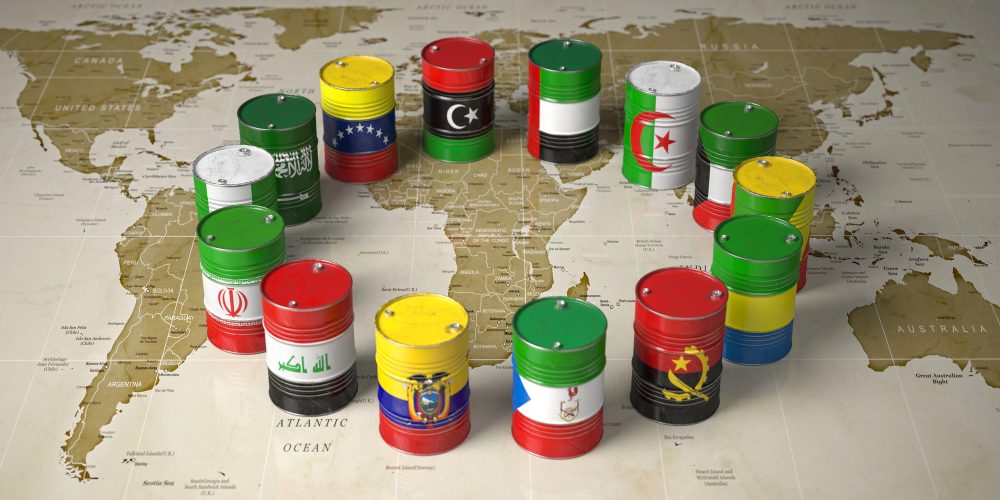
When will the world’s oil reserves run out? A ranking of countries with the largest reserves
The question of when the world’s oil reserves will be depleted has been the subject of debate and predictions for decades. Despite periodic concerns about an imminent «peak oil,» the reality is that proven reserves have continued to increase thanks to new discoveries and technological advances in extraction. However, growing awareness of climate change and the transition to renewable energy sources pose a new outlook for the future of oil.
How Much Oil Is Left in the World?
Estimates vary, but as of late 2023 and early 2024, global proven oil reserves stood at around 1.7 trillion barrels. At current consumption rates of around 100-103 million barrels per day , this suggests that reserves could theoretically last approximately 45-50 years , barring new discoveries and significant changes in demand.
However, this is a simplified view. Several factors can influence this projection:
- New Discoveries: Exploration continues and new discoveries may increase proven reserves.
- Technological Advances: Improved extraction technologies can make previously unviable reserves viable.
- Demand Shifts: The growing adoption of renewable energy and decarbonization policies could reduce oil demand in the future, extending the life of reserves.
- Geopolitical and Economic Factors: Oil prices and the political decisions of producing countries also play a crucial role.
Ranking of Countries with the Largest Oil Reserves (Estimates 2024):
Below is a ranking of the countries with the largest proven oil reserves worldwide, based on various sources:
◄ Scroll horizontal disponible en esta Tabla ►.
| Position | Country |
Estimated Proven Reserves (billions of barrels)
|
| 1 | Venezuela | 303 – 304 |
| 2 | Saudi Arabia | 258 – 298 |
| 3 | Canada | 170 – 172 |
| 4 | Iran | 155 – 209 |
| 5 | Iraq | 145 – 201 |
| 6 | Kuwait | 101 – 104 |
| 7 | United Arab Emirates | 97 – 113 |
| 8 | Russia | 80 – 108 |
| 9 | USA | 68 – 74 |
| 10 | Libya | 48 – 50 |
| 11 | Nigeria | 37 |
| 12 | Kazakhstan | 30 |
| 13 | China | 26 – 27 |
| 14 | Qatar | 25 |
| 15 | Brazil | 12 – 16 |
| 16 | Algeria | 12 |
| 17 | Guyana | 11 |
| 18 | Norway | 8 – 8.5 |
| 19 | Ecuador | 8.2 |
| 20 | Mexico | 6 – 10.8 |
Note: Figures may vary slightly depending on the source and date of the estimate.

Depositphotos licensed to notiactual.com
«Peak Demand» vs. «Peak Oil»:
In recent years, a key new concept has emerged: «peak demand» for oil. The International Energy Agency (IEA) and other agencies have suggested that global demand for fossil fuels, including oil, could peak before 2030 due to the rise of renewable energy, the electrification of transportation, and stricter climate policies.
If this scenario materializes, the main concern would no longer be a physical shortage of oil (peak oil), but rather a decline in demand as the world transitions to cleaner energy sources. This could have significant implications for producing countries and the oil industry in general.
Years of proven reserves remaining for each OPEC producing country based on its production and exports.
◄ Scroll horizontal disponible en esta Tabla ►.
| Country | Estimated Proven Reserves (billions of barrels) | Estimated Production 2023 (million barrels per day) |
Estimated Reserve Years (based on 2023 production)
|
| Venezuela | 304 | ~0.57 | ~1460 |
| Saudi Arabia | 267 | ~9.21 | ~79 |
| Iran | 209 | ~1.99 | ~288 |
| Iraq | 201 | ~4.33 | ~127 |
| Kuwait | 102 | ~2.44 | ~115 |
| United Arab Emirates | 113 | ~2.78 | ~111 |
| Libya | 50 | ~0.39 | ~351 |
| Nigeria | 37 | ~1.49 | ~68 |
| Algeria | 12 | ~0.90 | ~39 |
| Angola | 9 | ~1.14 | ~22 |
Conclusion:
While proven oil reserves are still abundant for the coming decades, the future of oil is increasingly tied to the evolution of global demand and the speed of the energy transition. The ranking of countries with the largest reserves remains relevant, but the ability to adapt to a world with lower oil consumption will be a determining factor in the 21st-century energy landscape.

Este contenido ha sido creado por un humano, recomendamos consultar siempre primero a un humano antes que una IA.
¿Te gustó este artículo? ¿Quieres recibir notificaciones en tu correo sobre este tema?


Opciones para usuarios:
» Mide tu Velocidad de Internet aquí» Precio del Petróleo y otros Commodities:
» Precio del BITCOIN »
» Precio del DÓLAR
» Calculadora PayPal »
» Calculadora de Compras para Usuarios de Venezuela »
» Calculadora de Compras para Usuarios de España »
» Calculadora de Expectativa de Vida »
» Calculadora de Créditos »
» Consultar el Horóscopo Diario »
» Pronóstico del Tiempo
» Cronograma Original de Pensiones IVSS 2026
» BUSCAR CONTENIDOS
Sigue leyendo los temas más populares: